Tag Archives: emergency medicine

L’ecografia in emergenza sanitaria preospedaliera

19 Jan

L’ecografia è uno strumento diagnostico fondamentale nel setting preospedaliero. ecofonendo
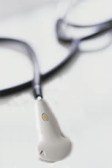
L’indispensabile contributo alla diagnosi di molte delle patologie che incontriamo nella pratica quotidiana, e che finora potevamo solo ipotizzare attraverso elementi clinico strumentali indiretti, la rendono patrimonio imprescindibile del bagaglio culturale del medico di medicina d’urgenza.

Le patologie che possiamo ecograficamente diagnosticare, e prontamente trattare, sono tutte rapidamente evolutive e, se misconosciute, mortali o gravemente invalidanti per il paziente che ne soffre.

Le capacità diagnostiche dell’ecografia coprono almeno il 75% degli scenari che comunemente si presentano al medico di emergenza sanitaria territoriale:

Arresto cardiaco

Attualmente possiamo ipotizzare le cause reversibili di ACR da segni clinici indiretti. L’ecografia è l’unico mezzo diagnostico preospedaliero che ne permette la rapida diagnosi e quindi il pronto trattamento, con effetto salvavita sul paziente che altrimenti avrebbe destino sicuramente infausto.

  • Pneumotorace iperteso
  • Tamponamento cardiaco
  • Embolia polmonare
  • Ipovolemia

Combinata con la EtCO2 durante le manovre rianimatorie è un ottimo strumento per valutare l’eventuale prosecuzione della RCP.

Insufficienza respiratoria acuta

L’ecografia polmonare, forse lo skill più rapido e semplicemente attuabile sul territorio, permette di diagnosticare l’etiologia dell’IRA anche nei casi clinicamente più complicati in cui coesiste l’obiettività cardiaca e quella polmonare.

Il precoce trattamento della causa sottostante riduce i tempi di ipossia ed ipercapnia tissutale e condiziona in modo nettamente favorevole la prognosi dei pazienti.

Trauma

L‘E-FAST è univocamente riconosciuta come la diagnostica di classe I in emergenza per individuare precocemente le lesioni potenzialmente mortali nel trauma.

  • Pneumotorace
  • Tamponamento cardiaco
  • Rottura dei grossi vasi
  • Emorragia addominale da rottura di organi pieni e cavi

La sua esecuzione in fase preospedaliera chiude il cerchio diagnostico e permette di destinare correttamente e rapidamente il paziente. E’ sicuramente possibile, dopo diagnosi ecografica, decidere appropriatamente la stategia di “stay and play” per l’esecuzione di manovre salvavita che rendono il tempo di permanenza sulla scena “golden time” per il paziente.

Dolore toracico

Il dolore toracico è uno dei motivi più diffusi per cui i pazient i chiamano il 118. La diagnostica differenziale nel dolore toracico oltre ad essere ampia comprende forme rapidamente evolutive:

  • Ischemia miocardica
  • Pericardite
  • Dissecazione aorta
  • Embolia polmonare

Il poter escludere mediante l’ultrosonografia queste patologie potenzialmente mortali, permette un salto di qualità determinante nel trattamento e nella corretta destinazione dei pazienti.

Dolore addominale

La cosiddetta “tomba del medico d’urgenza” con  l’avvento dell’ecografia ha fortunatamente assunto una dimensione più tranquillizzante. Il poter escludere le patologie più gravi in fase preospedaliere permette di stratificare correttamente il rischio anche in paziente polipatologici e con sintomi molte volte distraenti.

L’ecografia è una metodica diagnostica rapida e non incide sul tempo di permanenza sulla scena.

E’ facilmente integrabile in tutti i percorsi diagnostico terapeutici propri dell’emergenza sanitaria territoriale.

L’evoluzione tecnica degli ecografi ha sviluppato una generazione di portatili che oltre ad offrire una qualità tecnica assolutamente esaustiva per le esigenze diagnostiche dell’emergenza territoriale offre garanzia di robustezza e leggerezza. Queste caratteristiche li rendono adatti all’utilizzo ed al trasporto sui mezzi di emergenza con medico a bordo di qualsiasi modello organizzativo.

La curva di training per gli operatori è rapida, e permette di raggiungere in breve tempo l’autonomia nella procedura ed una buona appropriatezza diagnostica.

In conclusione l’ecografia d’urgenza preospedaliera non è il futuro ma una bellissima realtà che rappresenta uno standard diagnostico imprescindibile per una corretta assistenza al paziente critico in emergenza sanitaria preospedaliera.

References:
  • Heegaard W, Plummer D, Dries D et al (2004) Ultrasound for the air medical clinician. Air Med J 23(2):20–23
  • Walcher F, Weinlich M, Conrad G et al (2006) Prehospital ultrasound imaging improves management of abdominal trauma. Br J Surg 93(2):238–242
  • Walcher F, Patrovic T, Neri L, Heegaard W et al (2008) Prehospital ultrasound. In: Ma OJ, Mateer JR, Blaivas M (eds) Emergency ultrasound. McGraw-Hill, New York
  • Lichtenstein D, Courret JP (1998) Feasibility of ultrasound in the helicopter. Intensive Care Med 24(10):1119
  • Polk JD, Fallon WF Jr (2000) The use of focused assessment with sonography for trauma (FAST) by a prehospital air medical team in the trauma arrest patient. Prehosp Emerg Care 4(1):82–84
  • Lapostolle F, Petrovic T, Catineau J et al (2005) Training emergency physicians to perform out-of-hospital ultrasonography. Am J Emerg Med 23(4):572
  • Ma OJ, Mateer JR, Ogata M et al (1995) Prospective analysis of a rapid trauma ultrasound examination performed by emergency physicians. J Trauma 38:879–885
  • Tayal VS, Beatty MA, Marx JA et al (2004) FAST (focused assessment with sonography in trauma) accurate for cardiac and intraperitoneal injury in penetrating chest trauma. J Ultrasound Med 23:467–472
  • Breitkreutz R, Walcher F, Seeger FH (2007) Focused echocardiographic evaluation in resuscitation management: concept of an advanced life support-conformed algorithm. Crit Care Med 35(5 Suppl):S150–S161
  • Byhahn C, Bingold TB, Zwissler B et al (2008) Prehospital ultrasound detects pericardial tamponade in a pregnant victim of stabbing assault. Resuscitation 76:146–148

Per approfondire seguite i Blog sull’ecografia in medicina d’urgenza scelti per voi da MEDEST

ECG pediatrico in emergenza

11 Jan

Chi non ha mai avuto dubbi sull’interpretazione dell’ECG pediatrico?

Frequenza, ritmo, morfologia sono completamente diversi da quello dell’adulto, ed alcuni aspetti a prima vista molto “pericolosi” sono in realtà assolutamente normali nel bambino.

In questo breve video-podcast Amal Mattu rivede alcuni concetti base dell’ECG pediatrico.

Non un compendio completo di elettrocardiografia pediatrica ma alcuni utlissimi concetti che possono migliorare la pratica quotidiana.

In Emergenza ci vuole naso….

11 Jan

La somministrazione intranasale di farmaci è un’opzione terapeutica sempre più allettante in Emergenza sanitaria territoriale.

Un breve video-tutorial sul perchè, quando e come usare la via intranasale in medicina d’urgenza.

References:

Successfull administration of intranasal glucagon in out of hospital

Ahmad, IN lorazepam vs IM paraldehyde, Lancet 2006

Pires, Intranasal drug delivery – How why what for -extensive review, J Pharm Pharmaceut Sci 2009

Barton, Ed, et al. (2005). “Efficacy of intranasal naloxone as a needleless alternative for treatment of opioid overdose in the prehospital setting.” J Emerg Med 29(3): 265-71.

Thakker, A. and P. Shanbag (2012). “A randomized controlled trial of intranasal-midazolam versus intravenous-diazepam for acute childhood seizures.” J Neurol.

“Intranasal delivery of morphine may offer better effects.” Clin J Oncol Nurs 7(4): 377.2003

Ali, S. and T. P. Klassen (2007). “Intranasal fentanyl and intravenous morphine did not differ for pain relief in children with closed long-bone fractures.” Evid Based Med 12(6): 176.

Interesting readings:

EM on the edge videocast

Nasal_Drug_Delivery_in_EMS

http://intranasal.net/Home/default.htm

Intubare o non intubare questo è il dilemma…..

6 Jan

amleto_laringo

Siete di turno in elisoccorso, sono le 3 di un pomeriggio invernale. Vi chiamano per trasferire una donna di 44 anni affetta da stroke ischemico con emiplegia dell’emisoma destro ed afasia. La paziente non collaborante è a tratti agitata. GCS E4 V1 M5. Respiro efficace ma sbuffante, emodinamica compensata.

In anamnesi sindrome depressiva trattata con Paroxetina ed Alprazolam. Nessuna altra malattia degna di nota.

I sintomi sono insorti alle 10 della mattina e la paziente è stata trasportata, dopo sedazione (Midazolam) al DEA con ambulanza medicalizzata. Giunta in DEA viene deciso che la paziente è elegibile per la trombolisi sitemica che viene effettuata, ma a 5 ore quasi dall’insorgenza dei sintomi non ha prodotto miglioramenti clinici apprezzabili.

Motivo del trasferimento è effettuare una procedura “rescue” in locoregionale. Il tempo di trasporto verso il presidio che ospita la radiologia inteventistica è di 20-25 minuti di volo (Elicottero modello EC 145).

L’anestesista di turno e la neurologa del presidio inviante non individuano criteri per l’intubazione orotracheale.

Dizziness and amyloidosis in prehospital.

4 Jan

68 years old male referring dizziness and lighthead. Denies chest pain.

Pale cold sweating is laying on bed. Chest and abdominal examination are negative. Cardiac examination reveals arrithmiyc tones and free pauses. No smoking no diabetes.

His past history is positive for cardiac amyloidos  (proteinuria Bence Jones k)  triple A surgically corrected many years ago. Hypertension and AFib farmacologiccally cardioverted 1 year ago.  He is in treatment with Propafenone 150×4, Ramipril and Warfarin. No smoking no diabetes.

This morning ha did a routine control ECG and echo. All the parameters where fine. The documentation is not with him right now so is not possible a proper confrontation with the actual findings.

Vital signs:

BP is 70/50, satO2 room air 98%.

The 12 leads EKG is shown below

12 der

and a longer monitor recording….

strip

Which are the EKG findings?

When the patient is invited to stand refers presyncopal signs and tends to faint. BP drops and the skin become pale and sweaty

Which is the racommended management?

Blood exams are normal except TnI tha is slightly elevated (0,23) and the INR is 3

Which is your diagnosis?

← Back

Thank you for your response. ✨

Episodio presincopale in Amiloidosi cardiaca

3 Jan

Uomo di 68 anni riferisce da alcune ore sensazione presincopale, senso di testa vuota, sudorazione algida.

E’ pallido e sudato. Giace disteso sul letto con le gambe sollevate. Torace ed addome negativi, obiettività neurologica nei limiti.

La sua storia patologica parla di un’amiloidosi AL (prevalentemente cardica, con proteinuria di BJ cat. K, funzione renale conservata), di un pregresso intervento per endoprotesi su AAA. E’ Iperteso in trattamento con ramipril. Un anno fa ha avuto un episodio di FA persistente cardiovertita farmacologicamente. Da allora assume Rytmonorm 150×4 e Coumadin. Non fuma, non è diabetico.

Questa matitna aveva effettuato un ECG ed un Ecocardiogramma di controllo che lui riferisce come nella norma ma di cui non esibisce la documentazione.

La PA attuale è 70/50, satO2 in aria 98%.

Questo è l’ECG a 12 derivazioni.

12 der

e questa una stirp più lunga per una migliore definizione del ritmo

strip

Qual’è la diagnosi elettrocardiografica?

Il paziente appena invitato a mettersi seduto lamenta senso di svenimento, diventa pallido e compare sudorazione algida. I sintomi regrediscono in clinostatismo.

Cosa fareste a questo punto?

Il profilo ematochimico in DEA è nella norma (emocromo, elettroliti, creatinina, funz epatica, pancreatica e glicemia) a parte un lieve movimento degli enzimi cardiaci (TnI 0,23) e 3 di INR.

Qual’è la vostra ipotesi diagnostica?

← Back

Thank you for your response. ✨

Let’s start a New FOAM Year!

1 Jan

Free Open Access Meducation is the future!

So let’s start a New Year with all the good intentions!

Good FOAMed Year to everyone!

logo-medest22.jpg

The “publication bias”

29 Dec

Publication bias is a bias with regard to what is likely to be published, among what is available to be published. One problematic and much-discussed bias is the tendency of researchers, editors, and pharmaceutical companies to handle the reporting of experimental results that are positive (i.e. showing a significant finding) differently from results that are negative (i.e. supporting the null hypothesis) or inconclusive, leading to a misleading bias in the overall published literature.(1)

When we choose a therapeutic strategy or include some particular treatment in our clinical protocols, based on the existing literature, reviews and meta-analysis, we are, most of the times, mislead!

Publication bias affect all the fields of clinical medicine.

  • Half of the studies are buried
  • Negative data have twice the chance to be buried than positive ones!(2, 4, 5)

Publication bias became more evident with the introduction and widespread adoption of the use of systematic review and meta-analytic methods to summarize research. If the sample of studies retrieved for review is biased, then the validity of the results of a meta-analytic review, no matter how systematic and thorough in other respects, is threatened. There are now several tools available with which meta-analysts can assess the potential magnitude of bias caused by selective publication. When potential bias can
effectively be ruled out, or shown not to threaten the results and conclusions of a meta-analysis, the validity and robustness of these results and conclusions are strengthened.(3)

The “file drawer” effect also consists in the researchers  who do not wish to release negative results, because it may reflect badly on future grant applications, or they are aware of the mistakes that they made in procedure and have no wish to have their mistakes dissected by their peers.
All of us have to be aware of of “publication bias” and “file drawer” impact  on meta-analysis and literature reviews when we make our choices in everyday clinical life.

Is mandatory a widespread shared database, where to follow all the clinical trials have ever been started, in their development, no matter what are their final findings.

  • Free Online Meducation (#FOAMed) and free sharing of knowledge, is the only future I can figure out to improve patients outcome against all the possible misleading “bias”.
  • Globalizing the informations about actual and future knowledge, is the key to achieve a real worldwide medical awareness.

Is important to understand that hiding any information about clinical research is a mere fraud on patients health!

References:

1.    Song, F.; Parekh, S.; Hooper, L.; Loke, Y. K.; Ryder, J.; Sutton, A. J.; Hing, C.; Kwok, C. S. et al. (2010). “Dissemination and publication of research findings: An updated review of related biases”. Health technology assessment (Winchester, England)

2.    Ben Goldacre “What doctors don’t know about the drugs they prescribe” http://www.ted.com/talk/ben_goldacre_what_doctors_don_t_know_about_the_drugs_they_prescribe.html

3.    Hannah R. Rothstein (Editor), Alexander J. Sutton (Editor), Michael Borenstein (Editor) Publication Bias in Meta-Analysis: Prevention, Assessment and Adjustments. October 2005

4.    Easterbrook PJ, Berlin JA, Gopalan R, Matthews DR. Publication bias in clinical research. Lancet. 1991 Apr 13;337(8746):867-72.

5.    K. Dickersin, S. Chan,T.C. Chalmersx, H.S. Sacks, H. Smith Jr. Publication bias and clinical trials. Controlled Clinical Trials Volume 8, Issue 4, December 1987, Pages 343–353

Must read:

•    Frequency and reasons for outcome reporting bias in clinical trials interviews with trialists BMJ 2011;342:c7153, http://www.bmj.com/content/342/bmj.c7153

Pretreatment with clopidogrel shows no benefit in patients undergoing PCI

20 Dec

Pretreatment with Clopidogrel is a common practice in all  patients (STEMI UA/NSTEMI) undergoing PCI. A freshly pressed systematic review and meta-analysis shows no benefit on pretreatment with Clopidogrel on all mortality causes. The authors concluded that especially low risk patients undergoing elective PCI must be no overtreated questioning the need for pretreatment. A favorable trend is shown only in high-risk STEMI patients undergoing PCI.

Two major RCT trials, examining different antiplatelets agents, ticagrelor ang prasugrel, has been expected to be concluded in 2013, and will shed further light on this issue.

Will be not easy to change practice about a molecule that was been around for so long time, but if also those two new trials will fail the primary end points, pretreatment with antiplatelets agents will be in trouble.

Source:

Bellemain-Appaix A, O’Connor SA, Silvain J, et al. Association of Clopidogrel Pretreatment With Mortality, Cardiovascular Events, and Major Bleeding Among Patients Undergoing Percutaneous Coronary Intervention. A systematic review and meta-analysis.

JAMA 2012; 308:2507-2517.

Aggiornamento 2013 delle linee guida sulla gesione dello STEMI

19 Dec

Su Circulation sono state pubblicate le linee guida sullo STEMI aggiornate per il 2013.

2013 ACCF/AHA Guideline for the Management of ST-Elevation Myocardial Infarction_Executive Summary

Viene posto l’accento su alcune raccomandazioni che riguardano il sistema d’emergenza:

Racconamdazioni di Classe I

  • L’ECG dovrebbe essere effettuato sul posto del primo contatto con il personale del sistema d’emergenza sanitaria territoriale (LOE B)
  • La riperfusione è l’approccio raccomandato per tutti i pazienti che riferiscono l’inizio dei sintormi entro le 12 ore(LOE A)
  • La PCI è il metodo di scelta per la riperfusione se effettuata tempestivamente e da personale esperto (LOE A)
  • Il sistema d’emergenza territoriale dovrebbe indirizzare tutti i pazienti con STEMI direttamente verso un centro PCI capableIl entro 90 min dal primo contatto col personale sanitario (LOE B)
  • I pazienti che giungono in centri non-PCI dovrebbere essere trasferiti in centri PCI entro 120 min (LOE B)
  • La terapia fibrinolitica deve essere considerata, in assenza di controindicazioni specifiche, solo quando non è possibile effettuare una PCI entro i 120 min dal primo contatto col personale sanitario (LOE B)
  • La terapia fibrinolitica, quando è di scelta, dovrebbe essere intrapresa entro i 30 min dall’arrivo in ospedale (LOE B)

Raccomandazione di Classe IIA

  • La strategia riperfusive è consigliata nei pazienti con riferito inizio della sintomatologia tra 12 e 24 ore. Il metodo di scelta per tali pazienti è la PCI (LOE B)
ALL Ohio EM

Supporting ALL Ohio EM Residencies in the #FOAMed World

Triggerlab

Let's try to make it simple

thinking critical care

a blog for thinking docs: blending good evidence, physiology, common sense, and applying it at the bedside!

urgentcareultrasound

More definitive diagnosis, better patient care

Critical Care Northampton

Reviewing Critical Care, Journals and FOAMed

OHCA research

Prehospital critical care for out-of-hospital cardiac arrest

SonoStuff

Education and entertainment for the ultrasound enthusiast

phemcast

A UK PREHOSPITAL PODCAST

First10EM

Emergency medicine - When minutes matter...

Songs or Stories

Sharing the Science and Art of Paediatric Anaesthesia

airwayNautics

"Live as if you will die tomorrow; Learn as if you will live forever"

resusNautics

Navigating resuscitation

The Collective

A Hive Mind for Prehospital and Retrieval Med

Dave on Airways

Thoughts and opinions on airways and resuscitation science

FOAMcast

A Free Open Access Medical Education Emergency Medicine Core Content Mash Up

Broome Docs

Rural Generalist Doctors Education

St.Emlyn's

Emergency Medicine #FOAMed

"CardioOnline"Basic and Advanced Cardiovascular medicine" Cariology" concepts and Review -Dr.Nabil Paktin,MD.FACC.دکتـور نبــــیل "پاکطــــین

این سایت را به آن دکتوران و محصلین طب که شب و روز برای رفاه نوع انسان فداکاری می کنند ، جوانی و لذایذ زندگی را بدون چشمداشت به امتیاز و نفرین و آفرین قربان خدمت به بشر می کنند و بار سنگین خدمت و اصلاح را بدوش می کشند ، اهداء می کنم This site is dedicated to all Doctors and students that aver the great responsibility of People’s well-being upon their shoulders and carry on their onerous task with utmost dedication and Devotionاولین سایت و ژورنال انتــرنتی علـــمی ،تخـصصی ، پــژوهشــی و آمــوزشــی طبـــی در افغــانســـتان

EmergencyPedia

Free Open Access Medical Education

Little Medic

Learning everything I can from everywhere I can. This is my little blog to keep track of new things medical, paramedical and pre-hospital from a student's perspective.

Prehospital Emergency Medicine Blog

All you want to know about prehospital emergency medicine

Italy Customized Tour Operator in Florence

Check out our updated blog posts at https://www.italycustomized.it/blog

GoogleFOAM/FOAMSearch

The FOAM Search Engine

EM Lyceum

where everything is up for debate . . .

Pediatric EM Morsels

Pediatric Emergency Medicine Education

AmboFOAM

Free Open Access Medical Education for Paramedics

Rural Doctors Net

useful resources for rural clinicians

Auckland HEMS

Unofficial site for prehospital care providers of the Auckland HEMS service

ECHOARTE

L'ECOGRAFIA: ENTROPIA DELL'IMMAGINE

MEDEST

Prehospital Emergency Medicine

EM Basic

Your Boot Camp Guide to Emergency Medicine

KI Doc

WE HAVE MOVED - VISIT WWW.KIDOCS.ORG FOR NEW CONTENT

Emergency Live

Prehospital Emergency Medicine

AMP EM

Academic Medicine Pearls in Emergency Medicine from THE Ohio State University Residency Program

Prehospital Emergency Medicine

 Academic Life in Emergency Medicine

Prehospital Emergency Medicine

Comments on: Homepage

Prehospital Emergency Medicine

Greater Sydney Area HEMS

The Pre-Hospital & Retrieval Medicine Team of NSW Ambulance