Hymn to Simulation Team Training/ Inno alla Simulazione

6 Ago

Blessed the emergency systems who train their professionals with simulation

Blessed the emergency professionals who challenge themselfs day by day in simulation

Facing their fears to win their weakness

Improving the quality of their work for the good of all patients

They are the future of emergency medicine

Shame on emergency systems who don’t train with simulation

Shame on emergency professionals who don’t have the umility to challenge themselfs

Running from their fears and weakness

Compromising the quality of their work and the health of the patients

They will disappear from emergency medicine panorama


Beati i sistemi d’emergenza che allenano i loro professionisiti con la simulazione.
Beati i professionisti che giorno per giorno si mettono in gioco allenandosi con la simulazione,
Affrontando le loro paure per vincere le proprie debolezze
Migliorando la qualità del proprio lavoro per il bene dei pazienti
Di loro sarà il futuro dell’emergenza sanitaria
Poveri i sitemi che non fanno simulazione
Poveri i professionisti che non hanno l’umiltà di mettersi in gioco,
Tengono per se le loro paure e le proprie debolezze
A scapito della qualita del loro lavoro e del bene dei pazienti
Saranno inesorabilmente condannati a sparire.

Logo MEDEST2

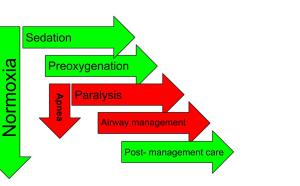
Vortex Approach: il manuale, i video tutorial

2 Ago

Ha suscitato molto interesse la check list per la gestione delle vie aeree Vortex.  Ed allora ecco il manuale completo ed i video tutorial. Tutto naturalmente gratuito!

Clicca sull’immagine per scaricare la versione pdf

 References:

http://www.vortexapproach.com/Vortex_Approach/Vortex.html

MEDEST you tube


Mind about the airway!

29 Lug

Avatar di medest118MEDEST

Are you scare about the airway?

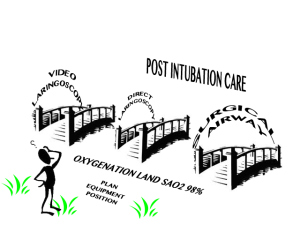
bridge airway_ENG

Keep CALM and make it SIMPLE!

  • PREDICT

Predict

  • THINK

Airway manifesto

  • ACT

Microsoft Word - PHAM eng.docx

References?

Thanks to everyone on #FOAMed world

amleto_laringoLogo MEDEST2

View original post

MEDEST Review 28. Il meglio della letteratura internazionale.

25 Lug

MEDEST-review

Ancora letteratura ancora articoli ancora novità in medicina d’urgenza.


Attenzione! MEDEST incoraggia la lettura completa e responsabile degli articoli proposti. Evitate sgradevoli effetti collaterali!
Scaricate il full text ed approfondite gli argomenti d’interesse con altre fonti per un’informazione consapevole e quanto più possibile completa dei temi trattati.

Questa settimana su MEDEST Review:

Can the San Francisco Syncope Rule Predict Short-Term Serious Outcomes in Patients Presenting With Syncope

Priorities for Emergency Department Syncope Research

La sincope è uno dei motivi maggiormente frequenti tra quelli che portano i pazienti in contatto con il sistema d’emergenza. La stratificazione del rischio e l’individuazione di strumenti clinici utili a tale fine è uno degli argomenti più controversi. I  San Francisco Syncope Rules sono tra i criteri più noti del panorama. Secondo questa review comunque la sensitività e la sensibilità di tali criteri, non raggiunge livelli elevati. Vi invito quindi a leggere il secondo articolo che pone obiettivi e basi per futuri sviluppi della ricerca in questo senso.

Steroid-Pressor Cocktail for In-Hospital Cardiac Arrest? – See more at: http://www.jwatch.org/na31719/2013/09/24/steroid-pressor-cocktail-hospital-cardiac-arrest#sthash.qZBir4Aa.dpuf

Gli investigatori dimostrano che non vi è differenza in mortalità tra i pazienti traumatizzati intubati con laringoscopio tradizionale rispetto a quelli intubati con un videolaringoscopio. Ma l’impossibilità a randomizzare almeno il 30% dei pazienti per scelta dell’operatore, che ha preferito il videolaringoscopio per previsione di intubazione difficile, ha sicuramente influenzato positivamente la prestazione della laringoscopia diretta.

Endotracheal Intubation Using the Macintosh Laryngoscope or KingVision Video

Laryngoscope during Uninterrupted Chest Compression

Regarding Hemodynamic Responses During Orotracheal Intubation: A Randomized Controlled Trial

Per gli appassionati della gestione delle vie aeree tre interessantissimi articoli sul tema. In particolare l’ultimo dei tre indaga un aspetto tanto importante quanto trascurato della gestione invasiva della via aerea: la risposta emodinamica. Una grande lezione di fisiopatologia clinica per affrontare in modo consapevole uno degli skill più utilizzati in emergenza.

Trauma Resuscitation Errors and Computer-Assisted Decision Support

L’avvento della tecnologia ha messo a disposizioen dei professionisti sanitari strumenti informatici real time che i dispositiv imobili di ultima generazione hanno permesso di avere sempre disponibile. Ma il loro utilizzo, maneggevolezza e incidenza sull’outcome sono ancora tutte da indagare. In questo studio randomizzato e prospettico vengono indagati in modo sistematico aspetti pratici legati all’utilizzo in emergenza di algoritmi decisionali computerizzati real time. Sarà questo il futuro della gestione del paziente critico?

Validation of a New Coma Scale, the FOUR Score, in the Emergency Department

L’applicabilità e la ripetibilità della Scala del Coma di Glasgow (GCS), nonostante la sua ampissima diffusione, viene messa in discussione con argomenti tutt’altro che banali (vedi il post G.C.S. in emergenza: è giunto il momento per uno score migliore?)
Questo nuovo score, nella soggettività dell’operatore che lo applica, aggiunge elementi clinici di valutazione molto utili fin dal triage del paziente con trauma cranico. Assolutamente da leggere.

Five Strategies to Effectively Use Online Resources in Emergency Medicine

L’aggiornamento continuo in medicina al tempo d’oggi passa più che attraverso i supporti cartacei attraverso la rete. Sei computer friendly? Se la tua risposta è affermativa ti aggiornerai con più puntualità. In questo articolo una breve guida sugli strumenti da utilizzare.

Puoi trovare la raccolta di tutti gli articoli citati nelle review di MEDEST a questo link

Logo MEDEST2
Seguici su Google+

Clicca su MEDEST e scopri chi siamo

PEEP zero. Is this the answer?

22 Lug


Inspiring discussion on Twitter (Minh Le Cong@rfdsdoc, Karim Brohi @karimbrohi and Peter Sherren@PBSherren)
The topic:
Your hypotensive blunt/penetrating trauma patient with associated severe TBI needs a vent. How do you set it and how you achive your physiological goals?
Is it possible to mantain eucapnia, avoiding hypercapnic insult to the brain, using low minute ventilation strategy and not depressing stroke volume with high intrathoracic pressure?
“Permissive hypoventilation” in a swine model of hemorrhagic shock.

Conclusions: Although permissive hypoventilation leads to respiratory acidosis, it results in less hemodynamic suppression and better perfusion of vital organs. In severely injured penetrating trauma patients, consideration should be given to immediate transportation without PPV.

But what if we have concomitant severe TBI? How can we avoid respiratory acidosis and hypercapnia (due to hypoventilation) and conseguent insult to the brain?
Is PEEP zero the answer?
Influence of ventilation strategies on survival in severe controlled hemorrhagic shock.

Conclusions: In this porcine model of severe hemorrhagic shock, reduction of positive end-expiratory pressure was the most important ventilation strategy component influencing hemodynamic stability. Reducing mean airway pressure by decreasing tidal volumes and increasing respiratory rates seemed to have less influence on cardiopulmonary function and survival than 0 cm H2O positive end-expiratory pressure.

Influence of positive end-expiratory pressure ventilation on survival during severe hemorrhagic shock.

Conclusions: When compared with pigs ventilated with either 5 or 10 cm H2O PEEP, those ventilated with 0 cm H2O PEEP during untreated, severe hemorrhagic shock had significantly improved short-term survival.

According to this swine model studies PEEP zero during severe hemorrhagic shock had significantly improved survival.
Bottom Line
  • Low MV (RR 8 TV 6 ml/kg IBW)
  • Zero PEEP
  • Target SaO2 to 95% (higher Fi O2 to achieve the target)
  • Target EtCO2 to 35-40 mmHg
Can it be our default setting on the hypotensive blunt/pentr trauma patient with sevre TBI?
Leave your comments and references.

MEDEST you tube


Search and Rescue operation on Apuane Alpes

20 Lug

Interesting mission yestarday on Alps in Tuscany. See the video of the winch rescue of a 35 yrs old male injuried when climbing on Tuscany slope of Apuane Alps.

MEDEST you tube

The occasional intubator needs a plan. I have got one! Have You?

15 Lug

want you

Following some discussion on who owns the airway (see the comments at the post Paralytic is the answer on EMPills Blog)

Have to admit: I’m an occasional intubator.

I manage something like 10 airways per month, all of them are “non conventional”, (no operating room, no chance to wake the patient, no chance to call an expert), and usually I have no time to evalute any of common indicators to predict difficult airway (time is often a rare issue in ground or air prehospital scenarios).

Half of the airway I manage are CRASH, half needs an RSI, so, shame on me, I’m also an occasional “paralytic agents user”.

So I desperatley need a plan

But lissen, I got one!

Or open the presentation from “Advanced airway on the field

Dear collegue, wathever intubator you are, occasional or regular,  feel free to submit any comment on the plan and also fell free, if you think it’s useful, to use and share it.

It will be appreciated.

See also:
Algoritmo per la gestione avanzata delle vie aeree
Anticipate Difficult airway
Protocollo SIARTI/PAMIA sulla gestione delle vie aeree in ambito preopedaliero
Prehospital Airway Management mind map


MEDEST you tube


MEDEST Review 27. Il meglio della letteratura internazionale.

10 Lug

MEDEST-review

Ancora letteratura ancora articoli ancora novità in medicina d’urgenza.


Attenzione! MEDEST incoraggia la lettura completa e responsabile degli articoli proposti. Evitate sgradevoli effetti collaterali!
Scaricate il full text ed approfondite gli argomenti d’interesse con altre fonti per un’informazione consapevole e quanto più possibile completa dei temi trattati.

Questa settimana su MEDEST Review:

Effect of Out-of-Hospital Noninvasive Positive-Pressure Support Ventilation in Adult Patients With Severe Respiratory Distress- A Systematic Review and Meta-analysis

Does Noninvasive Ventilation Have a Role in Chest Trauma Patients

Due articoli molto interessanti sull’uso della NIV. Nel primo viene affrontata, con una review di letteratura, il suo effetto nel paziente con distress respiratorio in ambiente extraopsedaliero, mentre nel secondo si cerca di capire se la NIV ha un ruolo nel paziente con trauma del torace. Due vere chicche per tutti gli appassionati di ventilazione non invasiva.

Evidence based medicine: a movement in crisis?

The philosophical limits of evidence based medicine

La lettura consapevole della letteratura comprende una conoscenza della Evidenced Basic Medicine molto matura ed approfondita. Ma la EBM gode ancora di buona salute? E sopratutto è ancora attuale, a molti anni dall’istituzione del metodo, affidare la nostra pratica clinica ai risultati scaturiti dalle evidenze? Due opinioni molto autorevoli in merito.

Steroid-Pressor Cocktail for In-Hospital Cardiac Arrest? – See more at: http://www.jwatch.org/na31719/2013/09/24/steroid-pressor-cocktail-hospital-cardiac-arrest#sthash.qZBir4Aa.dpuf

Gli investigatori dimostrano che non vi è differenza in mortalità tra i pazienti traumatizzati intubati con laringoscopio tradizionale rispetto a quelli intubati con un videolaringoscopio. Ma l’impossibilità a randomizzare almeno il 30% dei pazienti per scelta dell’operatore, che ha preferito il videolaringoscopio per previsione di intubazione difficile, ha sicuramente influenzato positivamente la prestazione della laringoscopia diretta.

Fluid resuscitation in trauma patients- what should we know

The Ongoing Debate Between Crystalloid and Colloid

La rianimazione volemica nel paziente traumatizzato, un taboo o un’intervento ancora attuale? Colloidi o cristalloidi. In questi due articoli lo stato dell’arte.

Shorter time until return of spontaneous circulation is the only independent factor for a good neurological outcome in patients with postcardiac arrest syndrome

La predizione dell’outcome neurologico nel paziente rianimato è sempre alla ricerca di nuovi ed affidabili indicatori. Gli autori di questo studio indagano l’affidabilità del tempo di ROSC in questo senso.

Rate- and rhythm-control therapies in patients with atrial fibrillation- a systematic review

Controllo del ritmo e della frequenza nel paziente con FA. Una review sistematica a pochi mesi della pubblicazione delle nuove linee guida 2014 AHA_ACC_HRS  (Guideline for the Management of Patients With Atrial Fibrillation)

Immediate versus delayed integrated point-of- care-ultrasonography to manage acute dyspnea in the emergency department

L’utilizzo dell’ecografia toracica a fini diagnostici nel paziente dispnoico è diventata una delle procedura bedside più utilizzata in DEA. Ma quali sono le evidenze che il suo utilizzo precoce migliori la gestione di questi pazienti. Leggete e scopritelo.


Puoi trovare la raccolta di tutti gli articoli citati nelle review di MEDEST a questo link

Logo MEDEST2
Seguici su Google+

Clicca su MEDEST e scopri chi siamo

Exertional heat stroke (EHS) Guidleines. Linee guida sulla prevenzione e cura del colpo di calore in corso di esercizio fisico.

4 Lug

While exertional heat illness (EHI) is not always a life-threatening condition, exertional heat stroke (EHS) can lead to fatality if not recognized and treated properly. As the word heat implies, these conditions most commonly occur during the hot summer months; however, EHS can happen at any time and in the absence of high environmental temperatures. Through proper education and awareness, EHS can be recognized, and treated correctly.

View the full guidelines at University of Connetticut (UCONN) website


Download all the most recent guidelines on MEDEST

Visualizza tutte le più recenti linee guida su MEDEST

Logo MEDEST2


Is the Peer Review Journal Dead?

28 Giu

Una disamina realistica e crudele sullo stato attuale della stampa e della ricerca in ambito medico.

Tony Brown, editore di Emergency Medicine Australasia, dipinge un quadro devastante sulla qualità delle riviste mediche, evidenziando in modo sistematico una serie di problemi che non possiamo fare finta di non vedere. Questo podcast vi farà cambiare atteggiamento nei confronti di molte delle fonti che giornalmente costruiscono la nostra base culturale. Aumenterà sicuramente la consapevole autodifesa contro articoli faziosi e di poca consistenza scientifica.

Ascoltate l’audio, leggete le slide. In calce al post gli highlights della presentazione. Sono in lingua originale per evitare di perdere con la traduzione la vera natura dei concetti.

Highlights Transcript:

  • Peer review dosen’t work

    • Peer review: “Slow, expensive, ineffective, a lottery, biased, incapable of detecting fraud and prone to abuse” Smith R. BMJ 2004;329:242-4

  • Most papers are rubbish

    • Few trials are valid and relevant ( 1% – 7% ) Haynes RB. ACP J Club 1993;119:A22-A23 Scott I, Glaziou P. Med J Aust 2012;197:374-8

  • Research hijacked (from Big Pharma)

    • Big Pharma owns and control the data

    • Big Pharma control what is published or not

  • Restricted full-text access

    • $24 billion biomedical publishing industry

    • Most of them are waste of money

    • Positive studies are most likely been published, so authors try hard to make positive conclusions trough subanalysys of small groups invalidating all data

    • Negative studies are most likely to be rigorous and well conducted

  • What are the alternatives?

    • Release ALL data and information

    • Publish negative trials

    • Focus on the reader

    • Post publication review, ‘Publish then filter’

    • Rating systems / Web 2.0 tools / crowdsourcing

  • Is the Peer Review Journal Dead? Not yet – but smelling badly !

    • Return the focus back onto the reader

    • Expect and embrace all forms of post publication review

    • Focus on education / translation

Must read books:

MEDEST you tube


ALL Ohio EM

Supporting ALL Ohio EM Residencies in the #FOAMed World

Triggerlab

Let's try to make it simple

thinking critical care

a blog for thinking docs: blending good evidence, physiology, common sense, and applying it at the bedside!

urgentcareultrasound

More definitive diagnosis, better patient care

Critical Care Northampton

Reviewing Critical Care, Journals and FOAMed

OHCA research

Prehospital critical care for out-of-hospital cardiac arrest

SonoStuff

Education and entertainment for the ultrasound enthusiast

phemcast

A UK PREHOSPITAL PODCAST

First10EM

Emergency medicine - When minutes matter...

Songs or Stories

Sharing the Science and Art of Paediatric Anaesthesia

airwayNautics

"Live as if you will die tomorrow; Learn as if you will live forever"

resusNautics

Navigating resuscitation

The Collective

A Hive Mind for Prehospital and Retrieval Med

Dave on Airways

Thoughts and opinions on airways and resuscitation science

FOAMcast

A Free Open Access Medical Education Emergency Medicine Core Content Mash Up

Broome Docs

Rural Generalist Doctors Education

St.Emlyn's

Emergency Medicine #FOAMed

"CardioOnline"Basic and Advanced Cardiovascular medicine" Cariology" concepts and Review -Dr.Nabil Paktin,MD.FACC.دکتـور نبــــیل "پاکطــــین

این سایت را به آن دکتوران و محصلین طب که شب و روز برای رفاه نوع انسان فداکاری می کنند ، جوانی و لذایذ زندگی را بدون چشمداشت به امتیاز و نفرین و آفرین قربان خدمت به بشر می کنند و بار سنگین خدمت و اصلاح را بدوش می کشند ، اهداء می کنم This site is dedicated to all Doctors and students that aver the great responsibility of People’s well-being upon their shoulders and carry on their onerous task with utmost dedication and Devotionاولین سایت و ژورنال انتــرنتی علـــمی ،تخـصصی ، پــژوهشــی و آمــوزشــی طبـــی در افغــانســـتان

EmergencyPedia

Free Open Access Medical Education

Little Medic

Learning everything I can from everywhere I can. This is my little blog to keep track of new things medical, paramedical and pre-hospital from a student's perspective.

Prehospital Emergency Medicine Blog

All you want to know about prehospital emergency medicine

Italy Customized Tour Operator in Florence

Check out our updated blog posts at https://www.italycustomized.it/blog

GoogleFOAM/FOAMSearch

The FOAM Search Engine

EM Lyceum

where everything is up for debate . . .

Pediatric EM Morsels

Pediatric Emergency Medicine Education

AmboFOAM

Free Open Access Medical Education for Paramedics

Rural Doctors Net

useful resources for rural clinicians

Auckland HEMS

Unofficial site for prehospital care providers of the Auckland HEMS service

ECHOARTE

L'ECOGRAFIA: ENTROPIA DELL'IMMAGINE

MEDEST

Prehospital Emergency Medicine

EM Basic

Your Boot Camp Guide to Emergency Medicine

KI Doc

WE HAVE MOVED - VISIT WWW.KIDOCS.ORG FOR NEW CONTENT

Emergency Live

Prehospital Emergency Medicine

AMP EM

Academic Medicine Pearls in Emergency Medicine from THE Ohio State University Residency Program

Prehospital Emergency Medicine

 Academic Life in Emergency Medicine

Prehospital Emergency Medicine

Comments on: Homepage

Prehospital Emergency Medicine

Greater Sydney Area HEMS

The Pre-Hospital & Retrieval Medicine Team of NSW Ambulance